ZSkills blog
Arabic Classes for Kids in the UAE: How Story-Led Learning Builds Confidence
What makes Arabic classes work for children in the UAE? Why story-led learning builds speaking confidence, what to look for in a class, and how ZSkills teaches ages 6–12.
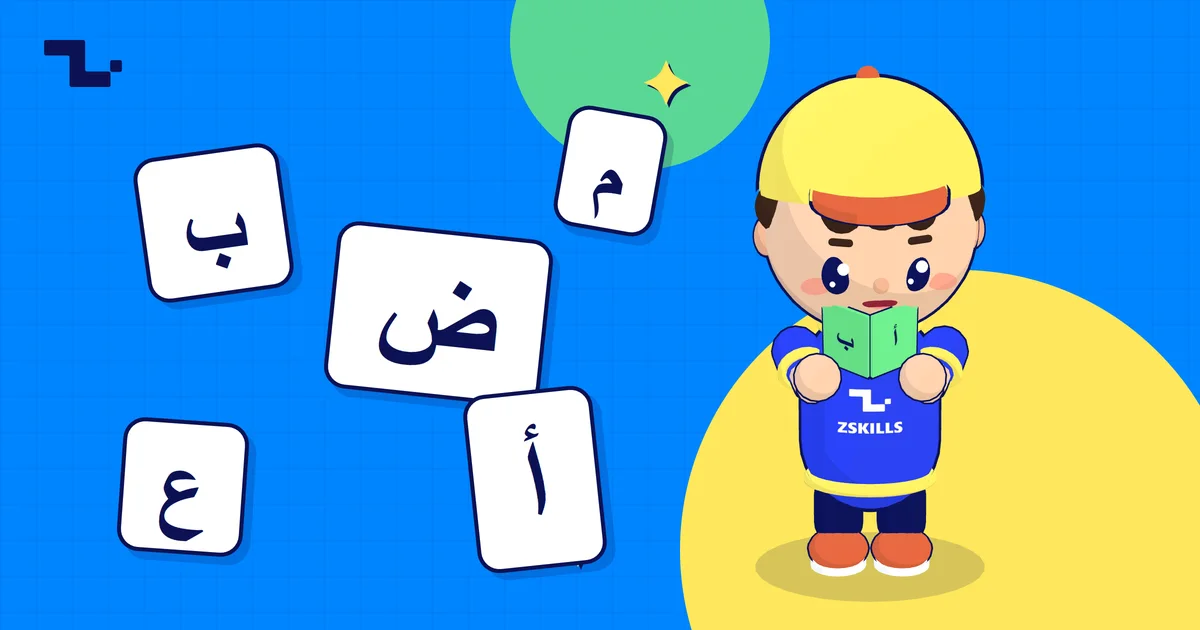
The best Arabic classes for kids in the UAE get children speaking from the very first lesson. They use stories, role-play, and games instead of long grammar drills, match the lesson to the child's age, and keep a steady weekly rhythm so new words have time to stick. When Arabic feels like an adventure rather than homework, children start to speak with confidence.
Why many children find Arabic hard, even in the UAE
Plenty of children in the UAE hear Arabic every day and still struggle to speak it. A few reasons come up again and again:
- Speaking time is short. School lessons often focus on reading and writing, so children rarely get to talk in Arabic for more than a few minutes.
- Home life happens in another language. In many families, English is the everyday language, so Arabic has few natural chances to grow.
- It feels like homework. When Arabic is mostly worksheets and corrections, children link it with pressure instead of fun, and they stop trying.
None of this means a child is "bad at Arabic". It usually means they have not had enough relaxed, joyful chances to use it.
What story-led learning looks like
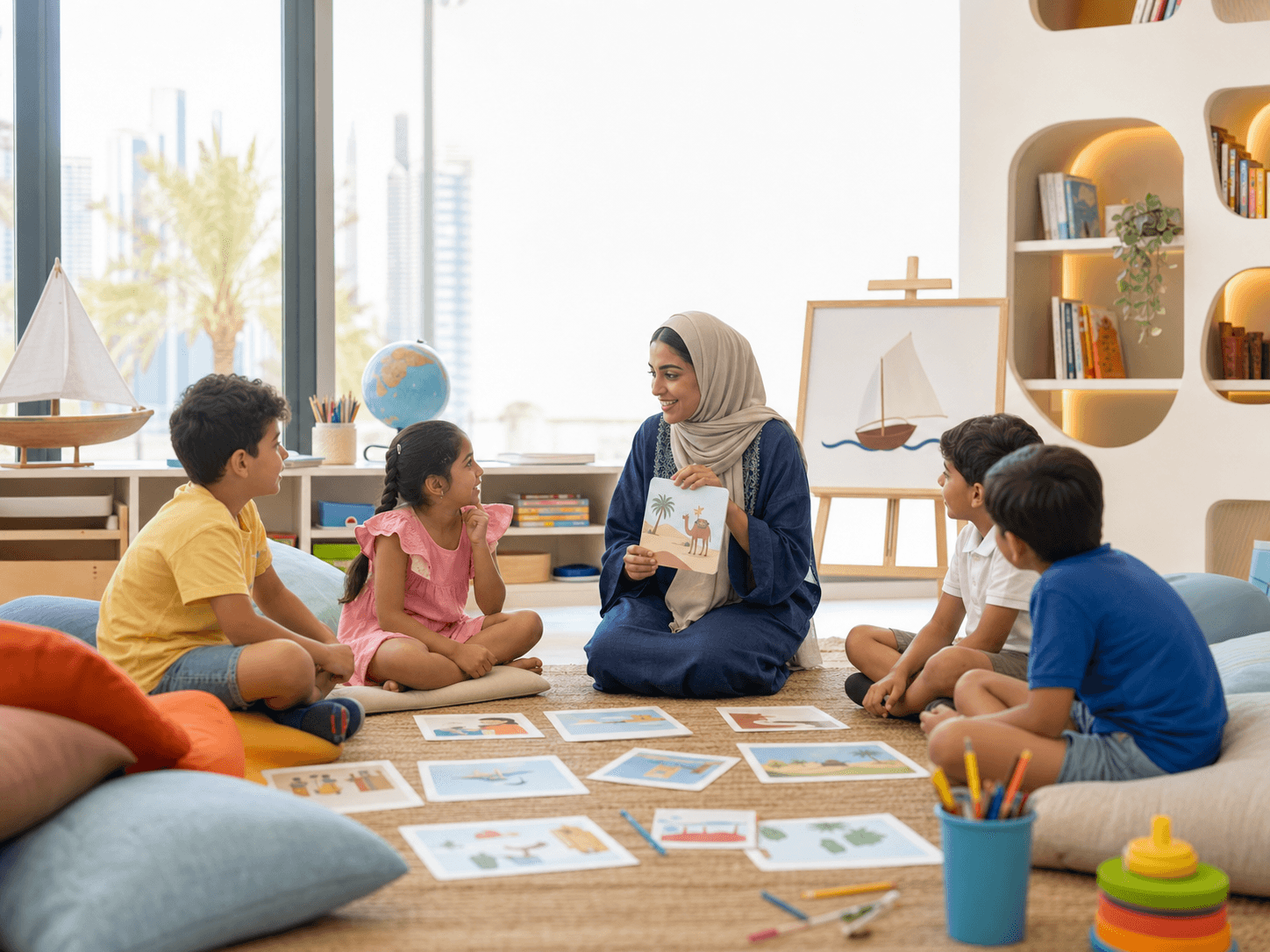
Story-led learning turns a lesson into a small adventure. Instead of memorising a word list, a child steps into a story, takes on a role, and uses Arabic to move the story forward.
A typical story-led session might include:
- Meeting the story. The tutor introduces a short, vivid story with characters the child cares about.
- Building the words. New vocabulary appears inside the story, through games, drawing, and quick challenges.
- Taking a role. The child acts out a scene, asks questions, or solves a problem as one of the characters.
- Telling it back. The child retells the story in their own words. This is where real speaking confidence grows.
Because every word has a place in a story, children remember it more easily and are more willing to try it out loud.
What to look for in an Arabic class for your child
Whether you choose a class, a tutor, or a program, these signs usually point to a good fit:
- Speaking in every lesson. Your child should talk, not only listen and copy.
- Age-appropriate activities. A six-year-old and a twelve-year-old need very different stories and challenges.
- Small groups or one-to-one time. Children speak more when they are not waiting for a turn in a large class.
- A steady weekly schedule. Short, regular lessons work better than occasional long ones.
- Progress you can hear. After a few weeks, you should notice new words and more willingness to speak.
- A tutor who makes it fun. If your child looks forward to the lesson, half the work is done.
Private or group Arabic lessons?
Both can work well. The right choice depends on your child and your family's routine.
Private lessons give your child the tutor's full attention. At ZSkills, private lessons come in weekly packages of 4, 8, or 12 classes, and a second child can join the same private lesson for free. Families who need more flexibility can add Flex for 10% before VAT, which includes easier rescheduling, one makeup credit per four classes, and a consultation with educational advisor Otaba Al-Khalili.
Group sessions add the energy of learning with other children. ZSkills groups meet at fixed weekly times: in Sharjah on Saturdays and in Dubai on Sundays. When three or four children from the same family join, they get 15% off.
How Arabic Language Foundation works at ZSkills
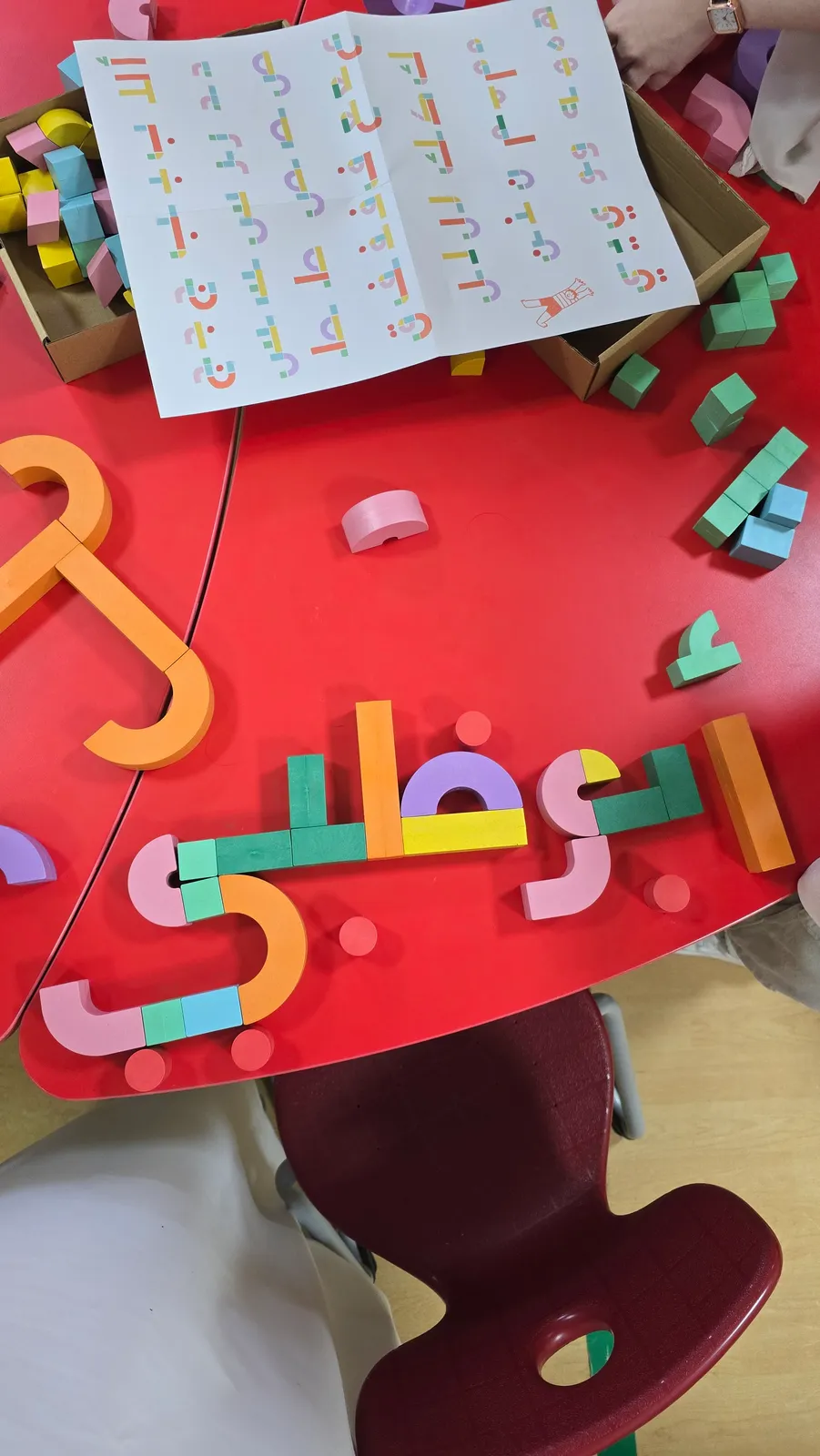
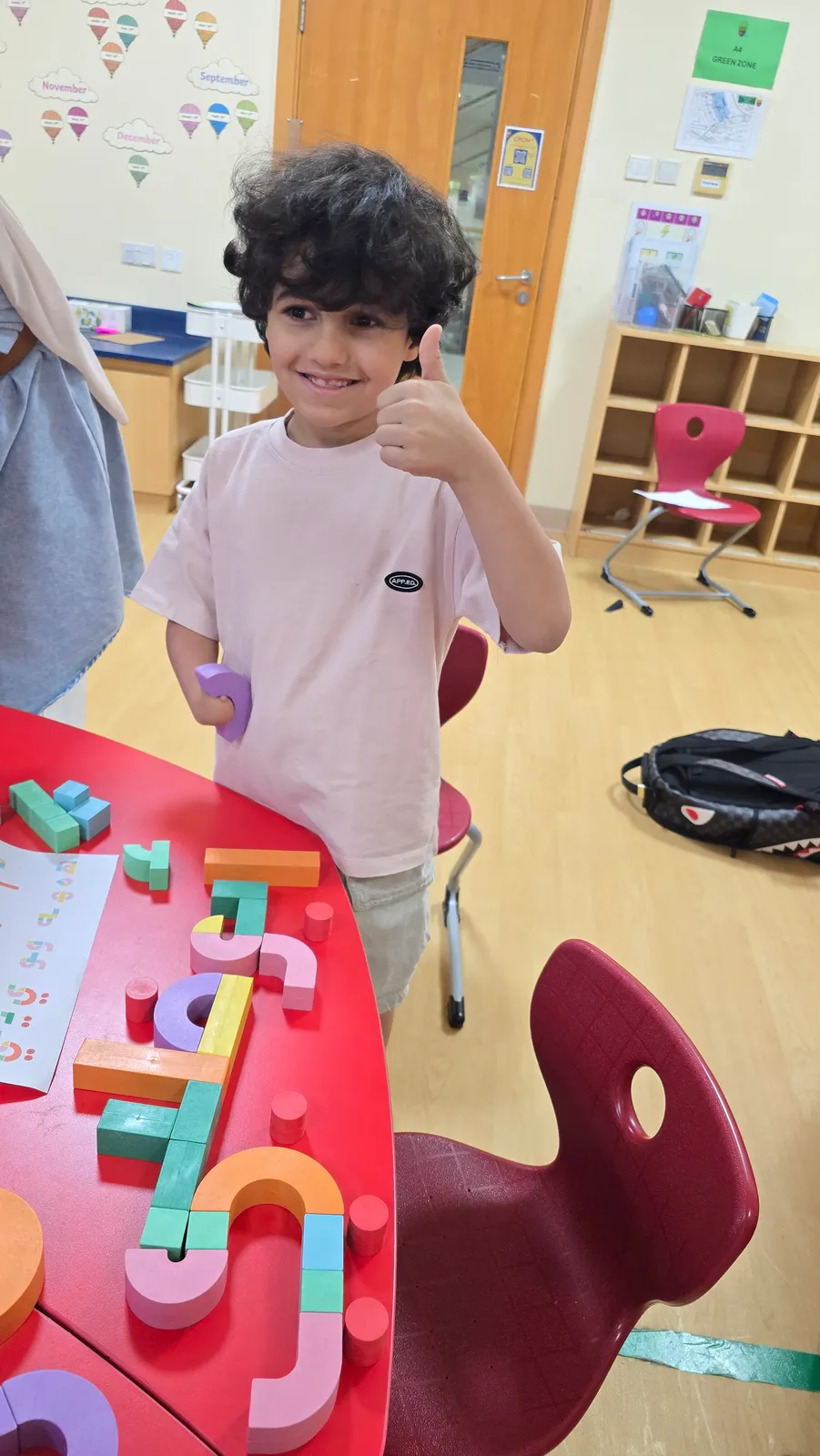
Arabic Language Foundation is the ZSkills program for children ages 6–12. It turns lessons into stories, with guided speaking, drawing, role-play, vocabulary games, and playful missions that build a confident base in Arabic.
To get started, use Find Your Tutor to choose private or group learning, pick a verified tutor or group, a weekly time, and a package, then pay securely online. If you have questions first, the ZSkills team is happy to help on WhatsApp.
Quick answers
What age is Arabic Language Foundation for?
It is designed for children ages 6–12, with stories and activities matched to each age.
Does my child need to read Arabic already?
Reading is not the starting point. Story-led sessions build speaking and understanding through stories, drawing, and role-play. When you book, tell the tutor what your child can already do so the sessions start in the right place.
How often should my child have Arabic lessons?
A steady weekly rhythm works best. Regular, shorter sessions help new words stick far better than occasional long ones.
Programs related to this article
Arabic Language Foundation
We turn classes into stories
A story-led Arabic language foundation where children learn through roles, missions, and playful practice.