ZSkills blog
Character Building for Kids in the UAE: Why Values Come First
What character building means for children, why our Arab values are the roots, how kids really learn confidence, respect, and responsibility, and the signs a program is working.
Character building for kids means helping children grow the inner qualities they carry everywhere: confidence, responsibility, respect, honesty, and good manners. In the UAE, the strongest character programs start from our Arab values, use Arabic language and identity as roots, and give children real chances to practise those values through stories, play, and sport, not just lectures about them.
What "character" means for a child
Character is how a child behaves when it matters: when they lose a game, when a friend needs help, when nobody is watching. It is not one lesson. It grows from small moments repeated many times.
For children, character usually shows up as:
- Confidence. Trying something new, speaking up, and recovering after a mistake.
- Responsibility. Keeping promises, looking after their things, and finishing what they start.
- Respect. Listening, waiting their turn, and valuing other people's ideas.
- Good manners. Greeting people, saying thank you, and being kind to younger children.
- Belonging. Feeling proud of their family, their language, and their community.
Why values come first
A tree needs roots before it can grow branches. Children are the same. When a child knows who they are, where they come from, and what their family believes, new skills have something solid to grow on.
That is why ZSkills builds every program on three layers:
- Roots: our Arab values. Arabic language, national identity, respect, and belonging.
- Trunk: character. Confidence, responsibility, and good manners, practised every session.
- Branches: future skills. Communication, teamwork, critical thinking, creativity, and leadership.
Values without practice stay words on a poster. Skills without values can grow in any direction. Together, they help a child become someone others can trust.
How children actually learn character
Children rarely learn character from being told. They learn it by doing, watching, and reflecting. The approaches that work best are:
- Stories. A good story lets a child step into a character's shoes and feel the choice they face. Talking about "what would you do?" builds judgement.
- Role-play. Acting out a scene, such as welcoming a guest or settling a disagreement, turns a value into a habit.
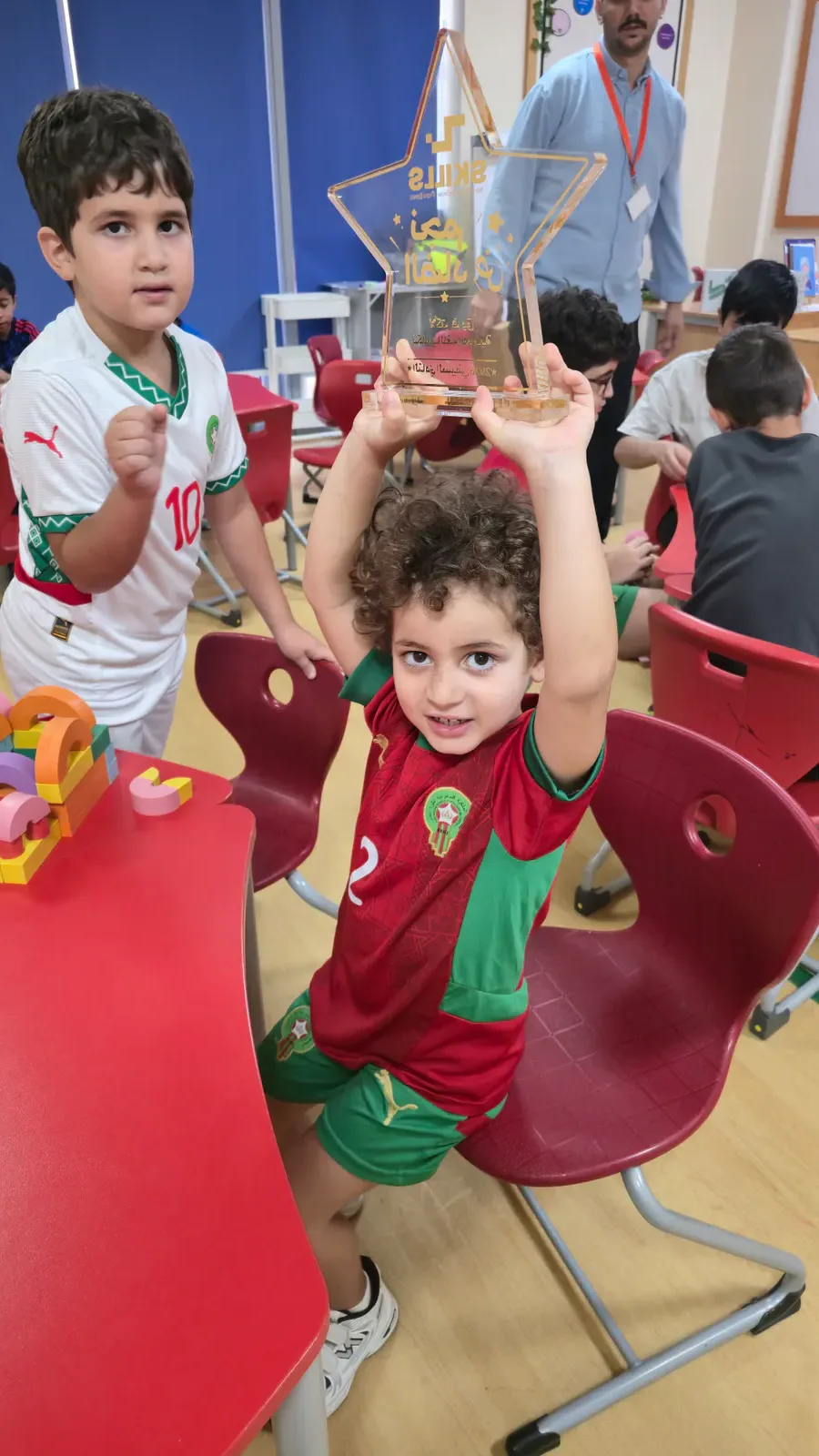
- Team games and sport. Winning fairly, losing gracefully, and supporting teammates teach more about respect than any worksheet.
- Small responsibilities. Leading a warm-up, handing out materials, or helping a younger child gives children a real role.
- Praise for effort. Noticing honesty, kindness, and persistence, not only results, shows children what matters.
Signs a character program is working
You do not need a test to see character grow. Watch for:
- Your child tries again after a mistake instead of giving up.
- They speak more confidently with adults and new friends.
- They talk about fairness, kindness, or helping at home.
- They use Arabic greetings and expressions with pride.
- Teachers or coaches mention better teamwork and listening.
How ZSkills builds character
Every ZSkills program puts character first, whatever the activity:
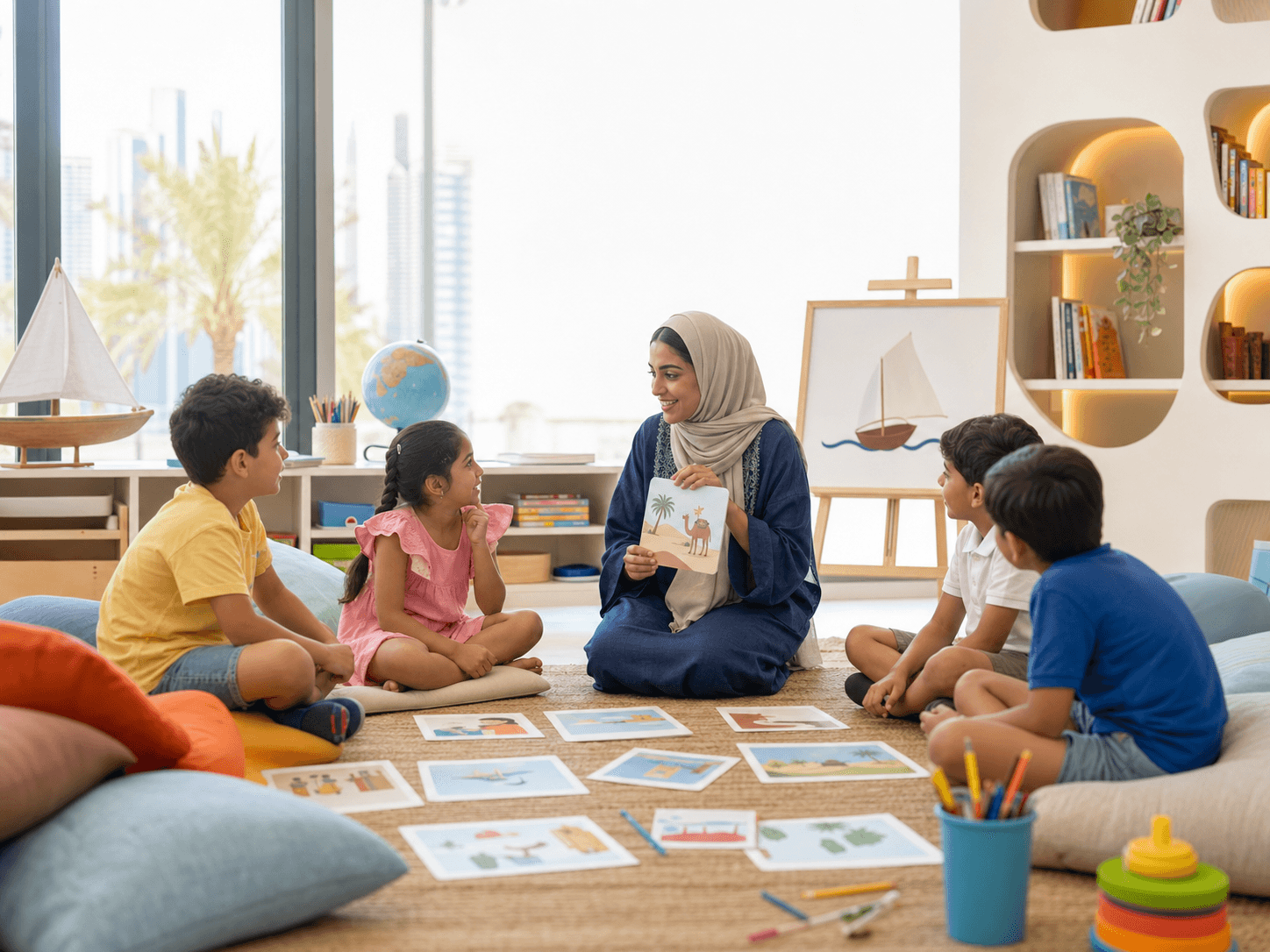
- Arabic Language Foundation (ages 6–12) uses stories, speaking, drawing, and role-play, so children grow their Arabic and their identity together.
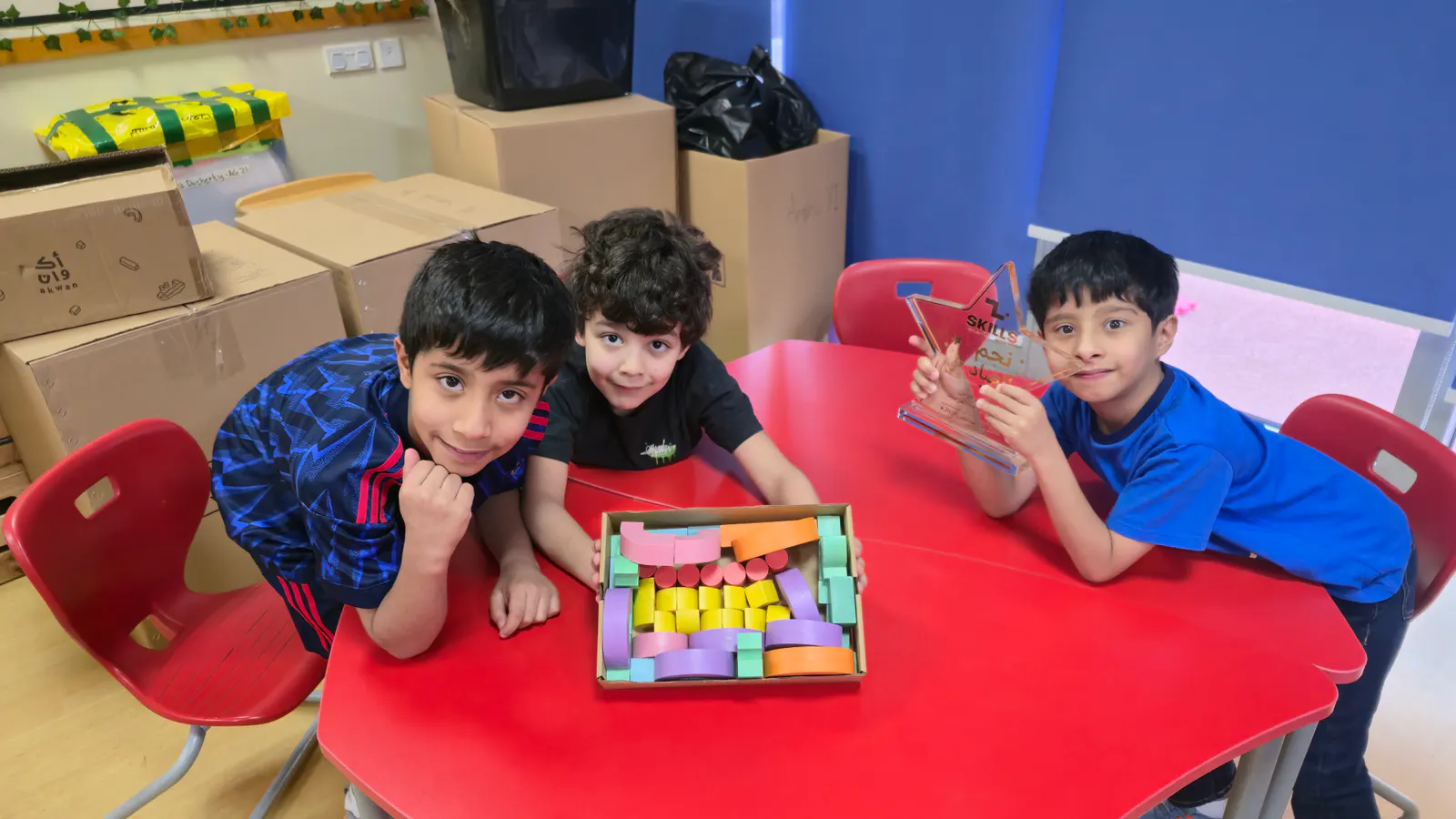
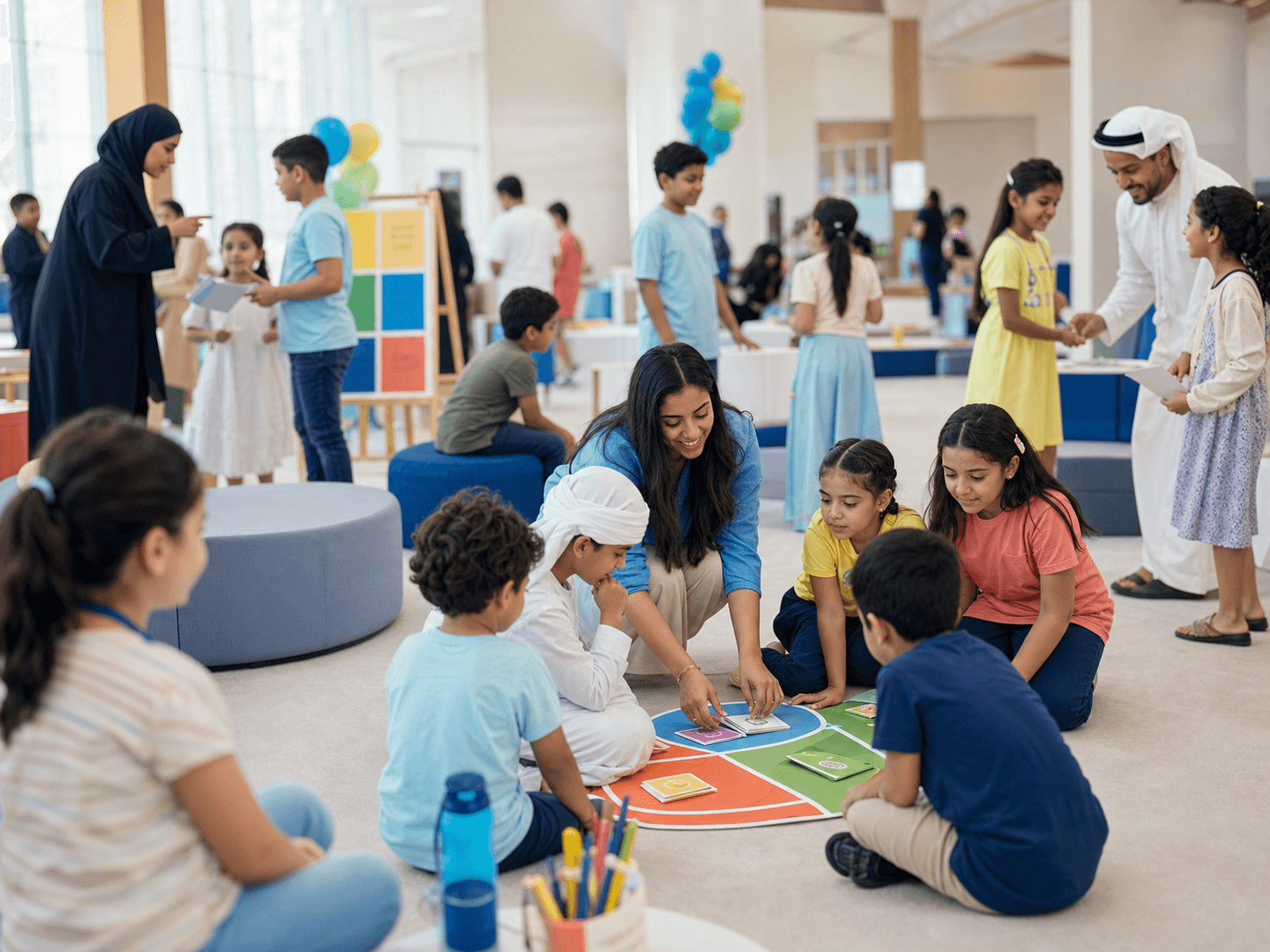
- Social Event Management (ages 7–14) uses guided group play to develop communication, belonging, identity, and teamwork.
- Sports Skills (ages 8–14) uses football, basketball, swimming basics, and fair play to build discipline, resilience, and respect.
Families can book private or group sessions through Find Your Tutor. ZSkills also delivers programs in partnership with government entities, schools, and educational and community centres across the UAE. Read more about our approach.
Quick answers
What age should character building start?
As early as possible. ZSkills programs start from age 6, when children are ready for stories, role-play, and team games with simple rules.
Is character building only for children who struggle?
No. Every child benefits. Confident children learn to lead kindly, and quieter children find their voice.
How are Arab values included?
Through Arabic language, stories from our culture, respectful manners, and pride in identity and belonging, woven into every session rather than taught as a separate lesson.
Programs related to this article
Arabic Language Foundation
We turn classes into stories
A story-led Arabic language foundation where children learn through roles, missions, and playful practice.
Social Event Management
Interactive Play Lab
Purposeful social events where children join playful activities that express identity, belonging, and teamwork.

Sports Skills
Sports and teamwork skills
Football, basketball, swimming, and guided movement activities that build fitness, teamwork, and confidence.