ZSkills blog
Future Skills for Children: 6 Skills Kids Need and How to Grow Them
Communication, teamwork, critical thinking, creativity, leadership, and resilience: the six future skills children need, why values matter alongside them, and easy ways to build them at home.
Future skills for children are the abilities that help them thrive in a world that keeps changing: communication, teamwork, critical thinking, creativity, leadership, and resilience. Children build them best through real practice, such as stories they retell, problems they solve with friends, and games where they lead, not through memorising facts. When these skills grow from strong values, children become capable and kind at the same time.
Why future skills matter now
Many of the jobs today's children will have one day do not exist yet. Facts can be looked up in seconds. What will always matter is how a person thinks, works with others, adapts, and treats people. Schools in the UAE increasingly focus on these skills, and families can help them grow outside the classroom too.
Six future skills every child needs
1. Communication
Expressing ideas clearly, listening well, and speaking with confidence, in Arabic and in English. Children practise it every time they retell a story, explain a game, or present an idea to a group.
2. Teamwork
Sharing a goal, taking turns, and trusting each other. Team sports and group challenges teach children that the group wins when everyone contributes.
3. Critical thinking
Asking "why?", comparing options, and making good decisions. Story discussions such as "was the character right?" are a simple and powerful way to start.
4. Creativity
Imagining new ideas and making them real. Drawing, role-play, building games, and inventing endings to stories all stretch a child's imagination.
5. Leadership
Guiding others kindly and taking responsibility. Children learn it when they lead a warm-up, organise a game, or help a younger friend.
6. Resilience
Staying calm after a mistake and trying again. Every lost match and every hard word a child keeps practising builds it.
Why values and future skills belong together
Skills are powerful tools. Values decide how they are used. A confident speaker who respects others, a leader who is honest, a creative child who is proud of their identity: this is the balance ZSkills aims for.
We picture it as a tree. The roots are our Arab values: Arabic language, identity, respect, and belonging. The trunk is character: confidence, responsibility, and good manners. The branches are future skills. Each layer makes the next one stronger.
Easy ways to build future skills at home
- Ask open questions at dinner: "What was the hardest part of your day, and what did you do?"
- Let your child plan a small family activity, like a game night or a picnic.
- Play board and card games that need turn-taking and strategy.
- Tell stories together and let your child change the ending.
- Give a weekly responsibility, such as watering plants or setting the table.
- Praise effort and kindness, not only results.
How ZSkills grows future skills
ZSkills programs build character and future skills together, rooted in our Arab values:
- Arabic Language Foundation (ages 6–12): communication and creativity through stories, speaking, drawing, and role-play.
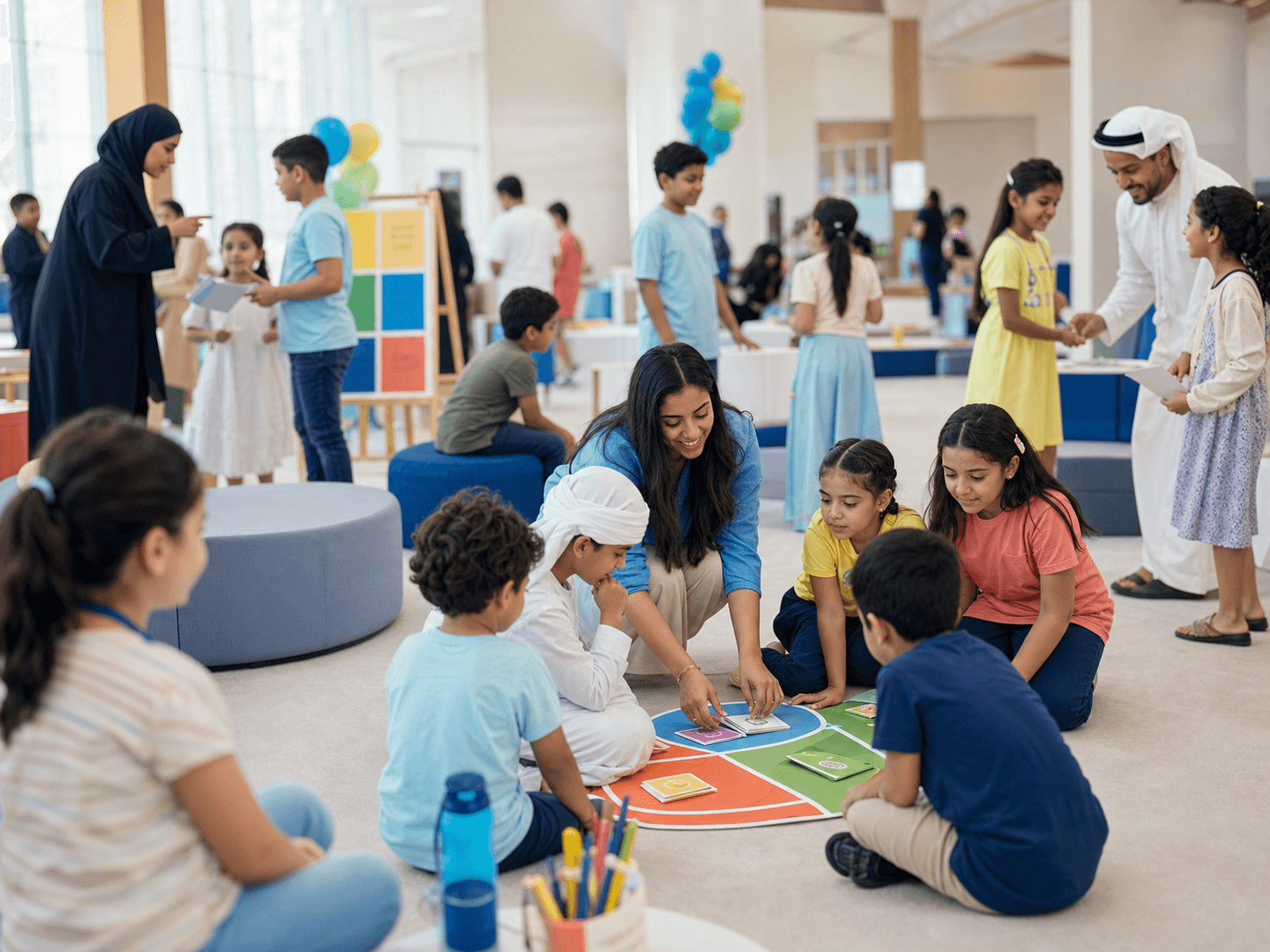
- Social Event Management (ages 7–14): teamwork, leadership, and belonging through guided group play.
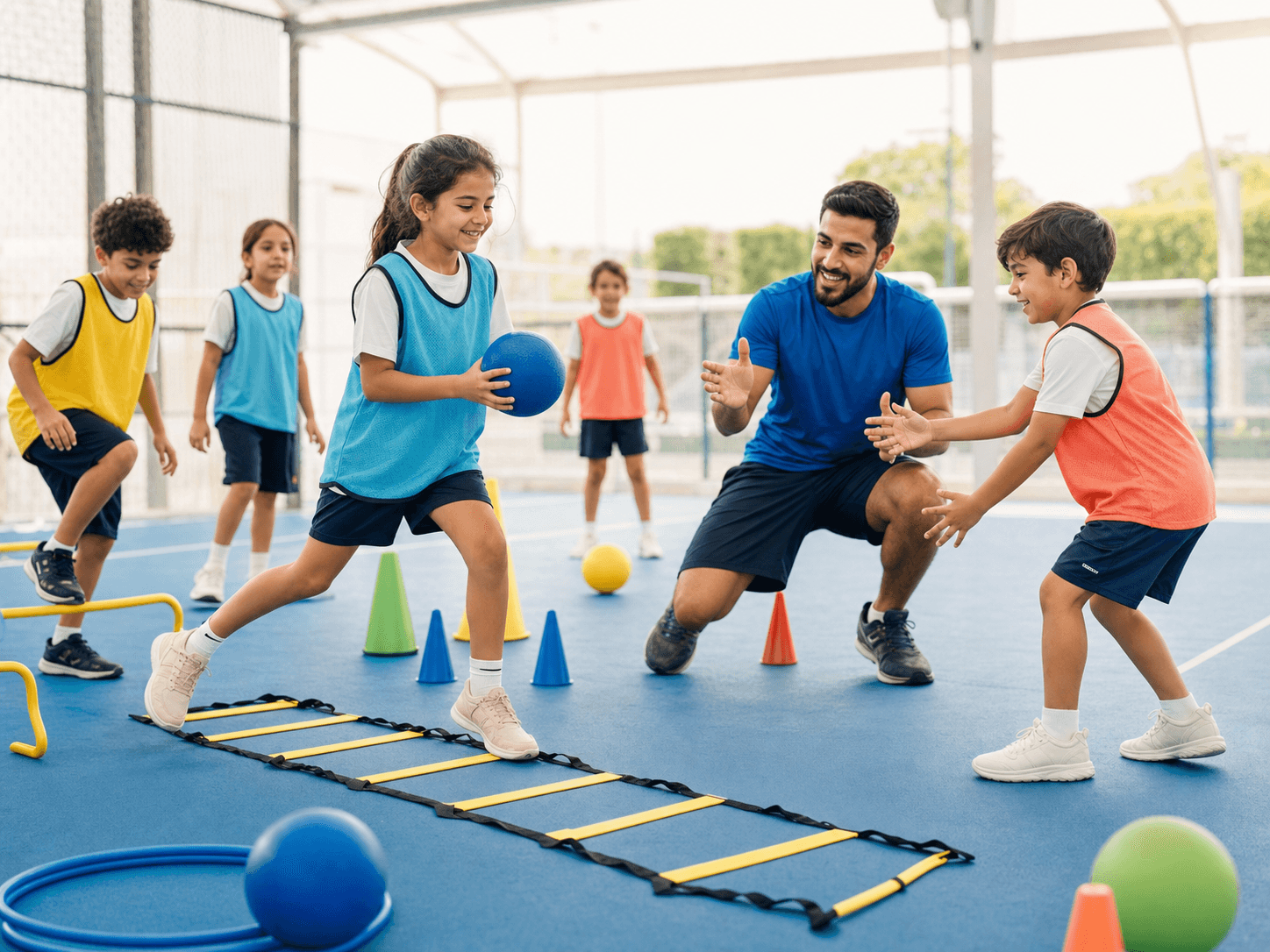
- Sports Skills (ages 8–14): resilience, teamwork, and fair play through football, basketball, and swimming basics.
Book private or group sessions on Find Your Tutor. Schools, government entities, and community centres can bring these programs to their children through a partnership with ZSkills.
Quick answers
What are future skills?
They are the abilities children need for a changing world: communication, teamwork, critical thinking, creativity, leadership, and resilience.
At what age should children start?
From the early school years. ZSkills programs start at age 6 with playful, story-led activities that suit each age.
Can future skills be learned through play?
Yes. Play is one of the best ways, because children practise the skills for real: they talk, decide, lead, and try again.
Programs related to this article
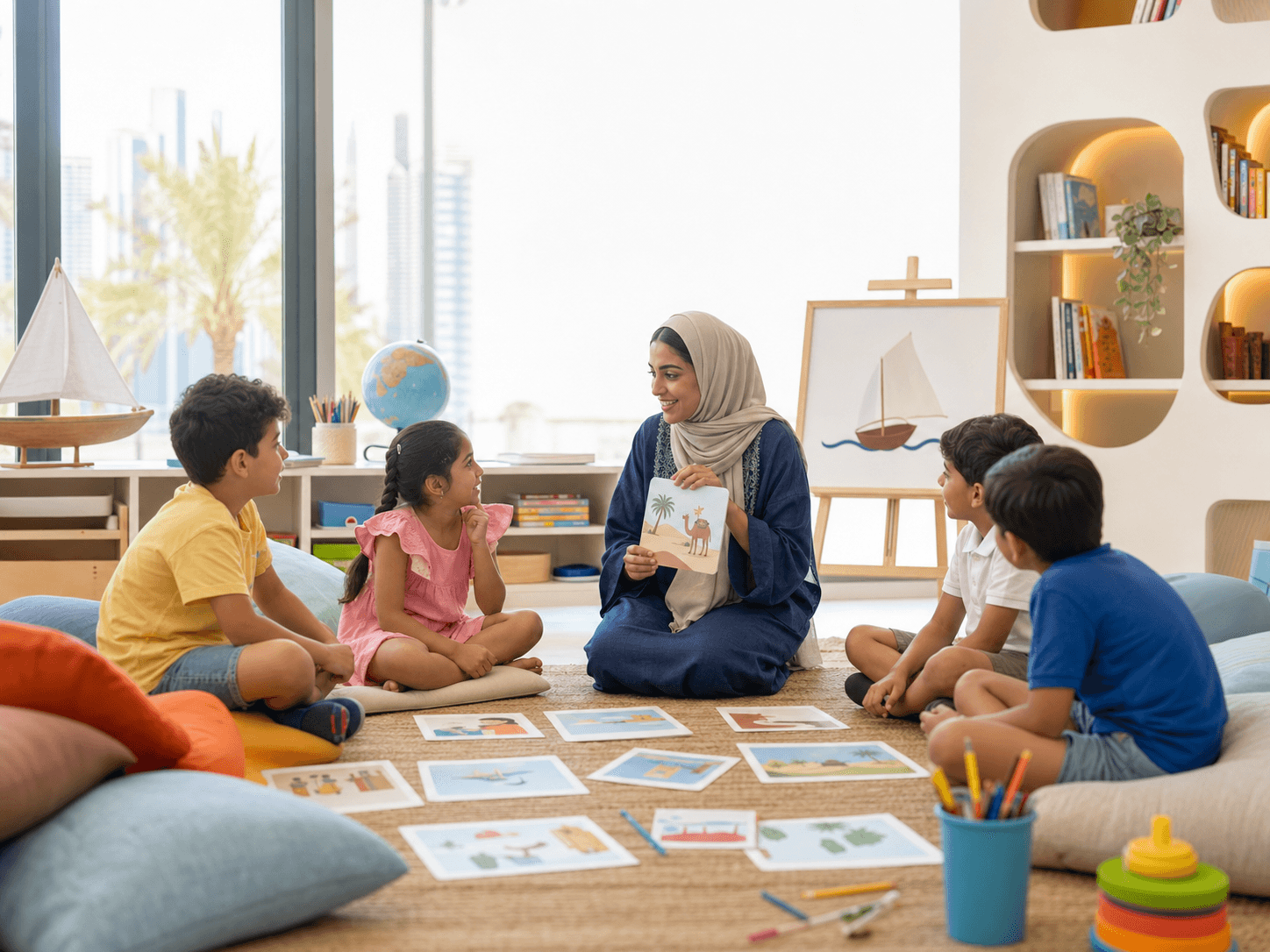
Arabic Language Foundation
We turn classes into stories
A story-led Arabic language foundation where children learn through roles, missions, and playful practice.
Social Event Management
Interactive Play Lab
Purposeful social events where children join playful activities that express identity, belonging, and teamwork.
Sports Skills
Sports and teamwork skills
Football, basketball, swimming, and guided movement activities that build fitness, teamwork, and confidence.